Sunday, April 21, 2013

87% of the meat that you eat contains anti-biotic resistant bacteria!

(If you only have a quick second, skip to the bottom for some shocking and important facts.... they are highlighted in orange)

Let me paint you a lovely picture real quick.  Close your eyes.... K wait, open your eyes so you can read... but start to imagine........


Our  cow friend lives his entire life standing in his own poop, breathing in the toxic fumes from the immeasurable amounts of feces produced by the thousands of cows that are surrounding him.  They are crammed into an area with each other that definitely doesn't allow for "roaming" and the cement underneath the piles and piles of poop isn't easy on the hooves.  Our OMNIVORE cow that is genetically structured to eat GRASS... is fed:
*  Genetically Modified Cornfeed that is virtually void of all nutrition
*  Ground up dead animal carcasses (the protein in these ground up carcasses aids in unnaturally fast growth in the livestock!  Awesome!!)  So Remember, Omnivore cow + ground up dead animal carcasses.... Can I get a "WHAT WHAT" for Mad Cow Disease!!!
*  Lots of growth hormones that have repeatedly been proven to be toxic for human consumption and toxic to the cow.   (bovine somatotropin (bST) and recombant bovine growth hormone (rBGH) are the ones most commonly used)
*  ....And some yummy antibiotics

After that well rounded meal that our cow friend has just consumed, he is 
showered with insecticides; Insecticides that are toxic.  ALL over him and his cow friends.
  Is your mouth salivating for some juicy sickly toxic steak right now?
   
So back to the subject of Anti-biotics... 
80% of the antibiotics used in this country are used on livestock! 
80%!!!  

Antibiotics are used to stimulate rapid growth in animals, as well as treat disease caused by the incredibly unsanitary conditions of feedlots and factory farms.
Because of this revolting overuse of antibiotics, bacteria are becoming resistant to antibiotics.  The conventional meat industry is not only supplying you with "meat" for your dinner table, but they are also serving you up with a steamy dose of bacteria that you cannot kill.
The EWG analyzed a study by the National Antimicrobial Resistance Monitoring System.  Here are a few of their findings:

"Rates of antibiotic-resistant Salmonella, which causes acute illness and can lead to chronic arthritis, have increased from 48 percent in 2002 to 76 percent in 2011. Amounts of "superbug Salmonella" found on turkey have jumped from 62 to 78 percent during that same time period."

"Another super-bacterium, campylobacter, can be even more damaging. Campylobacter is the most common cause of diarrheal disease in the U.S. and, left untreated, it can trigger Guillain-Barré syndrome, an autoimmune disease that can result in paralysis. Yet, 100 percent of the campylobacter found on turkey was resistant to antibiotics."

"Sixty-nine and 55 percent of pork and beef samples, respectively, tested positive for antibiotic-resistant bacteria, but turkey and chicken pose much greater problems, as far as these "superbugs" are concerned. By far the most contaminated meat was turkey: 81 percent of turkey samples tested positive for antibiotic-resistant microbes, while just 39 
percent of chicken samples did."

If you are going to buy meat, try your best to buy organic, local, grass fed meat.  Check your classifieds.  Ask around.  Check your neighborhood grocery stores.  Your efforts will be worth it!!!  Our society on average eats WAY too much meat... so try and cut down on your meat intake as well.  Even if it is organic and local, you still should not be eating a lot of it.  

source: http://www.rodale.com/antibiotic-resistant-bacteria-and-supermarket-meat?cm_mmc=TheDailyFixNL-_-1266960-_-04172013-_-How_Dirty_is_The_Meat_You_Eat_title


Monday, April 15, 2013

Can't afford everything organic? It's Ok, read this!

Conventionally Grown Crops = pesticides, insecticides, GMO's, etc ARE all permitted (this is how over 90% of the produce available to you is grown)
Organically Grown Crops = pesticides, insecticides, GMO's , etc are NOT permitted 


The EWG (Environmental Working Group) conducted studies to find out which conventionally grown crops had the most detectable amounts of pesticides.  They came up with
 THE DIRTY DOZEN!  (cue the creepy sound "duh dUH DUH!")


THE DIRTY DOZEN!


Apples
 98% of conventional apples had pesticides


Celery
Celery tested positive for 57 different pesticides and
96% of celery tested positive for pesticides


Bell Peppers
bell peppers tested positive for 15 pesticides on a single sample


Peaches
96% of peach samples tested positive


Strawberries


Nectarines


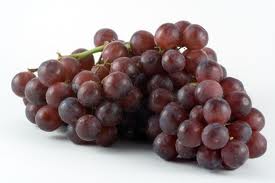
Grapes
15 pesticides on a single sample of grapes


Spinach
88% of spinach samples tested positive for multiple pesticides


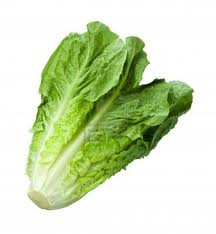
Lettuce
lettuce tested positive for 67 different pesticides

Cucumbers
10 different pesticides on a single sample of cucumber


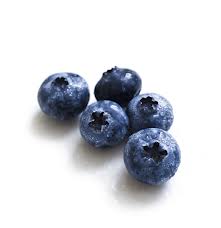
Blueberries
Potatoes

So lets say buying EVERYTHING organically is just not an option that fits into your budget.  This DIRTY DOZEN list helps you know which produce you should try to ALWAYS buy organically because of the immense amounts of pesticides used to grow them conventionally.  EWG predicts that if you were to buy just these 12 foods organically (and continued buying all your other produce conventionally) you would decrease your insecticide intake by 80%.  Not bad right!?  So in other words, this list is telling you where to splurge and just go for the organic bell pepper rather than the cheaper, conventionally grown bell pepper.  It will be worth it.


They also came up with the "Clean Fifteen."  These are conventionally grown crops that had little to zero traces of pesticides.  So if you are trying to decide where to cut corners in your food budget, these would be the foods that you could safely opt to buy conventionally grown rather than organic.

CLEAN FIFTEEN
-Onions
-Sweet corn
-Pineapples
-Avocado
-Cabbage
-Sweet peas
-Asparagus
-Mangoes
-Eggplant
-Kiwi
-Cantaloupe (domestic)
-Sweet potatoes
-Grapefruit
-Watermelon
-Mushrooms


ALWAYS CLEAN YOUR PRODUCE!  
You can't get rid of ALL the pesticides and contaminants by washing, but it will definitely help!!
To get your fruits and veggies as clean as possible, use a vegetable brush for sturdier produce.  Also try soaking leafy greens and delicate produce in a bowl of cool water for several minutes, then rinse in a salad spinner or colander.... or if you're ghetto like me, dry them with a kitchen towel.  Adding a capful of vinegar to the water can aid in cleaning your produce.  You can also use vegetable washes or even baking soda (for produce you plan to cook).  
http://www.ewg.org/foodnews/

Saturday, April 13, 2013

A quick dose of GMO reality

Here's a 1.5 minute video to give you a better understanding of GMO's. This is an excerpt from "Genetic Roulette" by Jeffrey Smith.   Check his website out http://www.responsibletechnology.org/posts/blog/ and his entire "Genetic Roulette" documentary. He is at the forefront of the Non-GMO movement and he is crazy knowledgeable about all of this stuff.  The website is super informative and easy to understand.


 Just a reminder of what Genetically Modified crops are currently being sold to us: 
Corn 
Canola 
Cotton 
Soy 
Crooked Neck Squash 
Hawaiian Papaya
Alfalfa 
Sugar Beets
(and there are lots more in the works of making their way to our dinner table)

And one more reminder.... Avoiding GMO foods is just ONE of the many things you need to watch out for.  A food can be Non-GMO and still be grown with loads of pesticides, insecticides, picked prematurely, chemically ripened.... etc.

Wednesday, April 3, 2013

Just in at your local grocery store! Part 1


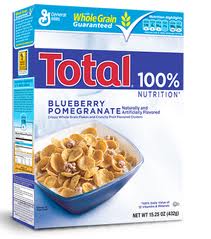
Claim: "Total Blueberry Pomegranate Cereal"  
Reality: contains ZERO % blueberries or pomegranates
Claim: "100% Nutrition"
Reality: Contain 8 different sweeteners, Genetically modified Soy, Sugar, and Corn, and artificial colors like Red #40 and Blue #2.

*


Claim: "Honey"
Reality: 92% High Fructose Corn Syrup and Corn Syrup

*

(Kashi is owned and operated by Kelloggs)
Claim: "all natural"
Reality: 100% of their grains come from Genetically Modified crops including Roundup-ready Soybeans.
Claim: "nothing artificial"
Reality: Liars!  LOTS of artificial and synthetic ingredients.  
For example, here is the ingredient list for their GoLean Chocolate Shake.  I highlighted the ingredients I am familiar with that I know are artificial.... the other ingredients are likely artificial as well.  This particular product is the center of a class-action lawsuit because of its terrible ingredients.
 soy protein concentrate, evaporated cane juice, gum, acacia, cocoa treated with alkali, calcium carbonate, natural flavor, calcium phosphate, soy lecithin, carrageenan, chicory root, fiber, magnesium phosphate, uva ursi (bearberry extract), ascorbic acid (vitamin C), grape seed extract, panas ginseng, niacin-amide, alpha tocopherol acetate, calcium pantothenate, zinc oxide, vitamin A Palmitate, Pyridoxine Hydrochloride (vitamin B2), Thiamin Hydrochloride (vitamin B1), Whey Caseinate, Folic acid, biotin, potassium Iodide, Sodium Molybdate, Vitamin K (Phytonadione), Sodium Selenite, Vitamin D, Vitamin B12

*

I was throwing a few things away that I found in my spice rack and pantry...

"Corn Salt with a pinch of Garlic"
This was Garlic Salt I bought a few months ago that has a red little flaggy thing at the bottom proclaiming "NO MSG."  Oh good, that means its a better choice for a health conscience consumer like me..... ??
 Yes, there is no MSG in it, but the #2 ingredient is Genetically Modified corn starch.

"Genetically Modified Italian Style Poison Crumbs"
So you see Italian Sytle Bread Crumbs and you think bread and some italian dried herbs.
 The #2 ingredient is Genetically Modified High Fructose Corn Syrup.  And then the #3 ingredient is Genetically Modified Corn Syrup.  And the #4 ingredient is Genetically Modified Oils such as Soybean Oil, Cottonseed Oil, and Canola Oil.  And then everything after that makes up less than 2% of the product.  

"Genetically Modified Corn Sauce with artificial coloring and flavoring"
 #1 Ingredient is Genetically Modified High Fructose Corn Syrup.

"Genetically Modified Corn Syrup with artificial coloring and flavoring"
 #1 Ingredient is Corn Syrup.  #2 Ingredient is High Fructose Corn Syrup.  #3 Ingredient is Water.  And then the remaining ingredients make up less than 2% of the product.

 K Its 12:30 a.m. so I'm gonna go to bed.... but I could post crap like this all day every day so watch for part 2, 3, 4, 5, 6...... part 1,000, etc.

Sunday, March 31, 2013

Top 17 Most Misunderstood Labels


This post is by guest Blogger Leslie Storm Murphy. She's hella healthy so you should listen to her!


"All Natural"

The FDA has no formal definition for what "natural" means, but defers to a nearly 20-year-old policy that says it will not object to the label as long as the product "does not contain added color, artificial flavors, or synthetic substances."


So a food labeled
natural may contain preservatives or be injected with sodium, in the case of raw chicken and some natural products will have high fructose corn syrup.  Companies will argue that since it comes from corn, it’s healthy…WRONG and we’ve already gone over why…GMO!!!


"Fresh"
According to the FDA, food items labeled "fresh" must be raw or unprocessed, and never have been frozen or heated. They also cannot contain any preservatives. However, "fresh" does not mean that fruits and vegetables have been picked recently, or that animals were killed at a certain time. "Fresh" produce may have bacteria from sitting in a store or on a truck for a long time, so make sure you wash all fruits and vegetables.


"Organic"
While organic was once a bit like the term all natural—open to interpretation—that’s no longer true only IF a product has a USDA certified label that says organic, 95% or more of the ingredients must have been grown or processed without synthetic fertilizers or pesticides (among other standards). There are three levels of organic to look for in stores: [1] “USDA Certified Organic” means products are made entirely from organic ingredients. [2] "Organic" means that at least 95 percent of a product's ingredients are organic. [3] "Made with organic ingredients" indicates that up to 70 percent of ingredients down to a maybe just a single ingredient are organic.

Keep in mind that organic does not always go with healthy. Organic food can still be packed in fat, calories, and sugar that may not be beneficial to your diet…check the labels.


"Free range"
Although a food label may say free range chicken, don’t assume your bird was scampering around outside Farmer Brown’s barn.

Although the US Department of Agriculture (USDA) does define the words
free range, there are no requirements for the amount, duration, and quality of outdoor access.

What it’s supposed to mean is that they are out running in a field.  But what it really means is they just have exposure to the outdoors.


"Genetically Modified"
Genetically modified foods—whose DNA has been altered with the help of modern technology—do not have to be labeled. Obama JUST signed into law that GM testing no longer has to be reviewed or approved by any agency before being produced for human consumption! According to the World Health Organization, "GM foods currently available on the international market have passed risk assessments and are not likely to present risks for human health."…BULL CRAP, says I!!!  We’ve already gone over the fact that the majority of corn and soy—primary ingredients in junk food—are GM, so researchers estimate that 70 percent of all processed foods contain some genetically modified ingredients, though you wouldn't know it to look at the packaging. The only way to avoid genetically modified foods is to buy 100 percent organic (USDA Certified).


"Multigrain"
When shopping for healthy bread and crackers, look for the words whole grain or 100% whole wheat. It’s not enough if it says multigrain.

Whole grains, (which include popcorn, brown rice, and oatmeal), have more fiber and other nutrients than those that have been refined, a process that strips away the healthiest portions of the grain.

You can’t go by color alone: Some darker breads or crackers have caramel coloring and are no healthier than highly refined white breads. For a list of ingredients to keep on your radar, check out
The Whole Grain Council’s helpful chart.


"No Sugar Added"
No sugar added products still may contain added ingredients like maltodextrin, a carbohydrate.
Carbohydrates—which can be simple sugars or more complex starches—raise blood sugar, and
no sugar added doesn’t mean a product is calorie- or carbohydrate-free.


"Lightly sweetened"
Reduced sugar, no added sugar, and sugar free have legal definitions, but lightly sweetened doesn’t. The idea of what “lightly” means is completely up to the manufacturer’s discretion and may not be even close to what you would consider lightly.


"Sugar free"
Sugar free doesn’t mean a product has fewer calories than the regular version; it may have more. Sugar-free products have less than 0.5 grams of sugars per serving, but they still contain calories and carbohydrates from other sources.

They often contain sugar alcohols, which
are lower in calories (roughly 2 calories per gram, compared to 4 per gram for sugar).  Common sugar alcohols are mannitol, xylitol, or sorbitol).
***Caution: Sugar alcohols can cause diarrhea so don’t consume a lot in one sitting.


"Zero trans fat"
Trans fat is bad for your heart, and the ideal intake is zero. But products that say no trans fat can actually contain less than 0.5 grams per serving.

Check for words on the ingredient list such as hydrogenated oils and shortening, which mean trans fat is still present.  Gotta love the sneaky ways manufacturers re-name the bad stuff…happens all the time! Here is a link for
products that are more likely to contain trans fat than others.


"Fat free"
This is a notoriously misleading label. When the dangers of saturated and trans fat became clear, the market was flooded with products that touted their fat-free status. The problem… They sometimes contained nearly as many calories as full-fat versions.

“Just because it says it’s fat-free, doesn’t mean you get a free ride,” says Dr. Taub-Dix. “Packages could say it’s fat free, but be loaded with sugar, and sugar-free products could be loaded with fat.”

Check the label for calorie content, and compare it to the full-fat version.


"Light"
A food label may say a product, such as olive oil, is light, but manufacturers have been known to use the term to refer to the flavor rather than the ingredients.

To be considered a light product, the fat content has to be 50% less than the amount found in comparable products.


"Gluten free"
Gluten is a protein found in grains like wheat or rye and it can wreak havoc on the health of those with celiac disease or gluten intolerance… I can attest to this one personally.

Gluten-free products are becoming easier to find, which is great for those with gluten intolerance. For everyone else though, there’s no advantage to buying them. In fact, gluten-free whole grains may have less fiber than the regular version.

“Unless you have metabolic problems, gluten-free products don’t help you lose weight and are not necessarily good for you,” says Dr. Taub-Dix. “But because it’s a buzz word, it’s put on packages.”


"Made with real fruit"
Products that claim to be made with real fruit may not contain very much at all, or none of the type pictured on the box.

While companies must list the amount of nutrients they contain, such as fat and cholesterol, they do not have to disclose the percentage of ingredients, such as fruits and whole grain, according to CSPI.

In 2012, a California woman filed a class-action lawsuit over Fruit Roll-Ups, which contain "pears from concentrate" and no strawberries (in the case of the strawberry flavor)… haha, wish I knew if she won.


"Cholesterol free"
Cholesterol free doesn’t mean, literally, no cholesterol. Cholesterol-free products must contain less than 2 mg per serving while low-cholesterol products contain 20 mg or less per serving. Foods that say reduced or less cholesterol need to have at least 25% less than comparable products.

Cholesterol is made by the liver, so only animal products like meat, dairy, eggs, and butter can contain it. If a plant-based product (such as corn oil) touts its cholesterol-free status, there’s no benefit compared to other vegetable oils, which also don’t contain it.


"Two percent milk"
Two percent milk sounds great—it’s such a low number! What most people don’t realize is that whole milk contains only 3.25% fat.

So 2% milk contain less fat than regular milk, but not that much. It isn’t technically considered low fat; only 1% milk and fat free (also called skim milk, which has less than 0.5% fat) meet that standard.

Two percent milk may say
reduced fat however, because it has at least 25% less fat than regular milk.


"Omega-3 fatty acids"
Omega-3 fatty acids come in three main types: Eicosapentaenoic (EPA), docosahexaenoic (DHA) and a type called alpha-linolenic acid (ALA), which doesn’t have the proven benefit for the heart as EPA and DHA.

Some foods are higher in ALA, than EPA and DHA. Eggs may contain omega-3 if chickens are fed flax seed (which contains ALA, EPA and DHA) or fish oil, but are not considered to have a heart health benefit because of their cholesterol and saturated fat content.

If you are looking for a good source of omega-3, stick to fish and seaweed products.  Products will
sprinkle flax on their food just to slap the omega-3 label on the front.


Sources